Cedar Mill, Oregon
Retaining Walls in Cedar Mill, Oregon
Send a request and an independent local contractor will contact you about your Cedar Mill project.
For a Cedar Mill property in the area around Cedar Mill Creek, it is worth describing the yard at its wettest. A shaded garden can hide where runoff starts, especially when the ground is dry at the site visit.
If you have an established tree or a bank of shrubs you want to keep, show the contractor where those plants sit relative to the proposed excavation. A curve that looks good from the house may require more room behind the wall than the face suggests. Ask whether another alignment would give the plants more space.
Watch for water that appears along the slope after prolonged rain. Describe any roof drains nearby and show where soil or mulch collects downhill. The contractor can ask about those patterns while considering the wall position, finished grade, and drainage outlet.
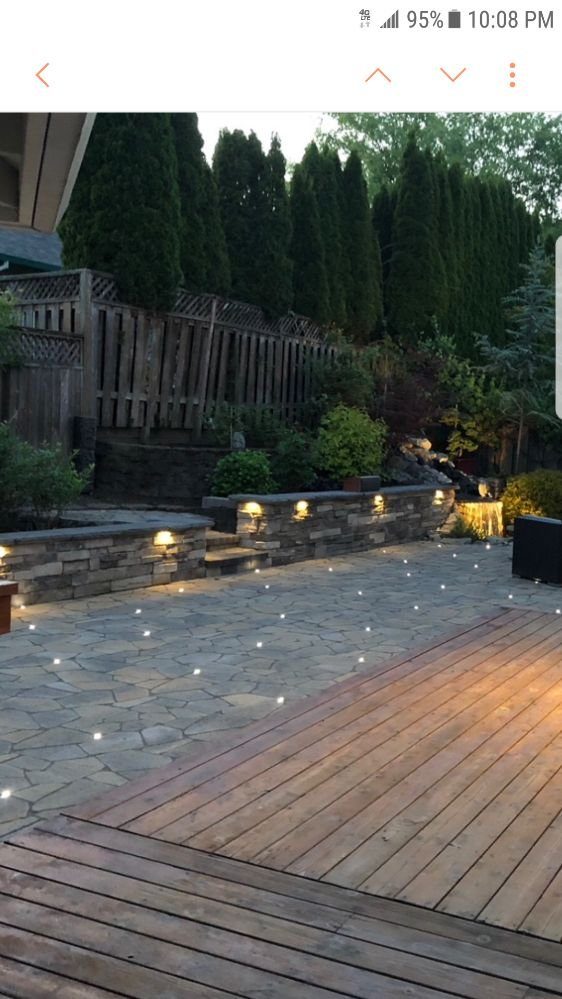
Trees and shrubs are located relative to the proposed excavation.
Seepage and downhill soil loss are described and photographed when safe.
Growth on a shaded wall is noted separately from signs of movement.
Possibly. The contractor should consider the excavation and reinforcement footprint as well as the visible wall. An arborist can help assess potential impacts when work is close to important roots.
Moss indicates conditions favorable for growth. Note cracks, displaced sections, bulges, or new soil loss separately so the contractor can evaluate the actual condition of the wall.
If it is safe, photograph the wet area with a familiar yard feature in view. Share when the seepage begins, how long it lasts, and what sits uphill.
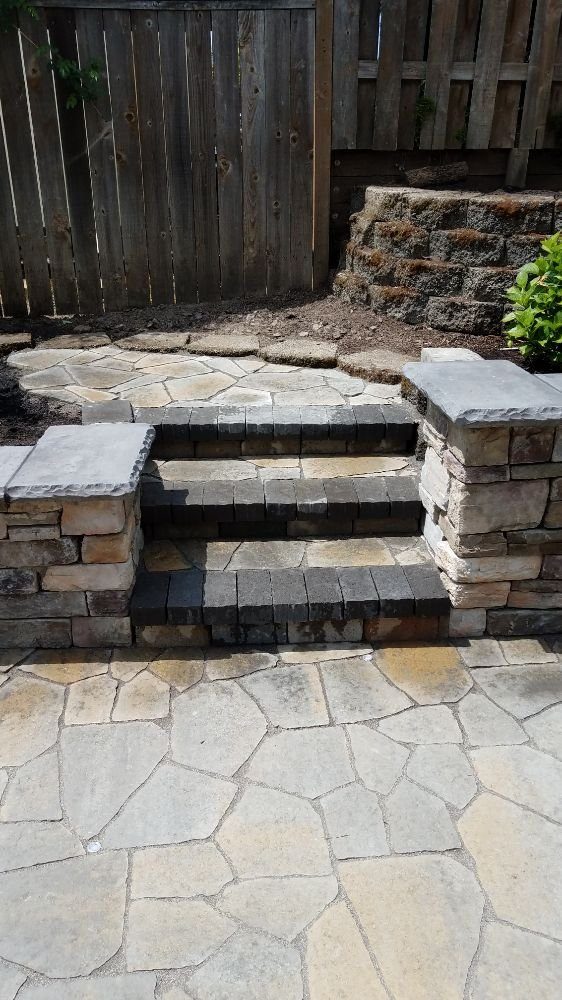
Describe your Cedar Mill project and an independent local contractor will contact you about it.
Free — no obligations